

Essertier Joseph
ESSERTIER Joseph
近代日本文学に見る言語改革 言文一致やエスペラント運動
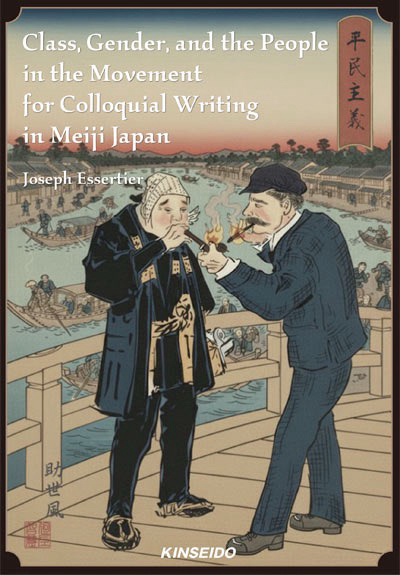
近代日本文学を専門とし、言文一致運動やローマ字化、エスペラントなど、言語改革の歴史を研究しています。明治期以降、日本では話し言葉に近い文章表現への転換や文字表記の見直しが進められました。こうした改革は、文学の表現方法だけでなく、教育や社会のあり方にも大きな影響を与えました。本研究では、近代日本文学の動向とあわせて言語改革の思想や背景を分析し、ことばの変化が文化や社会にどのような意味をもったのかを明らかにすることを目指しています。
I specialize in modern Japanese literature and research the history of language reform, including the colloquial writing movement (genbun itchi or "Spoken and Written Language Unification" Movement), the movement to adopt the Roman alphabet for writing Japanese, and the Esperanto movement. In the Meiji period, Japan underwent a shift toward written expressions that more closely resemble spoken language, as well as a re-evaluation of orthography. These reforms had a significant impact not only on literary expression but also on education and on society. In this research, I aimed to analyze the ideas behind these language reforms in conjunction with trends in modern Japanese literature, with the goal of clarifying the significance of these linguistic changes for culture and society.


メッセージ
明治初期、言葉は単なるコミュニケーション手段ではなく、「誰が中心で、誰が周縁か」を決める権力でもありました。女性や貧困層は、「正しい言葉」を使えないとみなされ、政治・社会から排除されてきました。そんな時代に、経済学者田口宇吉とフェミニスト清水紫琴は、これらの特権階級による言葉の支配に抗い、誰もが使える日本語を求めて社会を切り開きました。私たちが今、当たり前のように使っている日本語には、自由と平等を求めた人々の思いと闘いの歴史があります。
本研究を通じて、言葉は単なる知識ではなく、人々の自由や平等、社会参加と深く結びついていることを、身近な問題として考えていただければと思います。